What Not to Do When Choosing Gifts for Children
Choosing the perfect gift for children can be a delightful yet challenging task. In 2026, the landscape of children's interests and needs continues to evolve, making it essential to approach gift selection with thoughtfulness and intention. Parents, relatives, and friends often find themselves overwhelmed by the plethora of options available. To ensure your gift is appreciated and useful, it is crucial to avoid common pitfalls that can lead to disappointment or even frustration. This article will explore vital mistakes to steer clear of when selecting gifts for children, enabling you to make informed decisions that resonate with young recipients.
Understanding the Child's Interests
One of the most significant mistakes to avoid is neglecting to consider the child's personality and interests. Every child is unique, with their own preferences that may change as they grow. In 2026, it is especially important to engage with parents or guardians to gain insight into what the child enjoys. For instance, if a child is passionate about space exploration, a book about the universe or a model rocket set may be more suitable than generic toys.
Children's interests can also be influenced by current trends in media, technology, and social interactions. Engaging with the child through conversations can provide valuable information about their likes and dislikes. Furthermore, consider age-appropriate gifts that align with their developmental stage. A five-year-old may have different interests compared to a ten-year-old, so ensuring that the gift matches the child's age is crucial.
Researching Trends and Popularity
In 2026, trends in children's toys and gifts can change rapidly. What is popular today may not be relevant tomorrow. Before making a purchase, it is wise to conduct research on current trends. Websites, blogs, and social media platforms dedicated to parenting often provide insights into what is popular among children. Additionally, visiting local toy stores or children's boutiques can help you gauge what items are in demand.
Another aspect to consider is the balance between timeless gifts and trendy items. While it may be tempting to purchase the latest toy sensation, opting for classic gifts that have stood the test of time can offer more value. For example, educational toys that stimulate creativity and problem-solving skills tend to remain relevant over the years.
People Also Look For:
- Baylis & Harding Luxury Pamper Tin Gift Set 1 Pack
- Evelunya Luxury Gift Set for Women Real Flowers Scented Candle Unique Self Care Relaxation Gift Ideas Birthday Gift
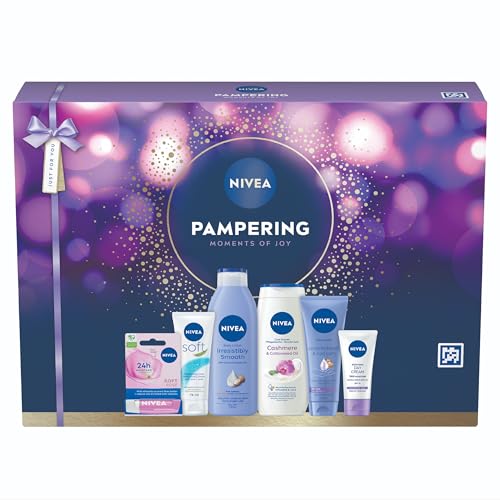
- NIVEA Pampering Moments Of Joy Gift Set, 5-Piece Collection
- RITUALS The Ritual of Karma Bath Gift Set, Lotus Flower, Small
- Nuxe The Iconics Gift Set (£45 Value) Luxury Skincare Face & Body Care Trio
Quality Over Quantity
When selecting gifts, the quality of the item should take precedence over quantity. A common mistake is to opt for several inexpensive items rather than investing in a single high-quality gift. In 2026, parents are increasingly aware of the importance of durable and safe products for their children. Selecting well-made gifts ensures they can withstand wear and tear, especially for younger children who may be rough on their toys.
Moreover, high-quality gifts typically provide more value in terms of educational benefits and longevity. For example, a beautifully crafted wooden toy may cost more upfront but can last for generations and be passed down, creating sentimental value. In contrast, cheaper plastic toys often break easily and are discarded, leading to waste and disappointment.
Safety Considerations
Ensuring the safety of children's gifts is non-negotiable. In 2026, safety standards for toys are stricter than ever, and it is essential to be aware of these regulations. Avoid gifts that contain small parts for younger children, as they can pose choking hazards. Additionally, be cautious of materials that may contain harmful chemicals or toxins.
Always check for safety certifications and warnings on packaging. If you are unsure about a product's safety, do not hesitate to ask the retailer or research it online. Parents appreciate gifts that not only entertain but also prioritize their child's well-being.
Personalization and Meaningful Gifts
Another common mistake is overlooking the potential for personalization in gifts. In 2026, personalized gifts are gaining popularity, as they offer a unique touch that can make a gift more memorable. Consider options such as customized books where the child's name is featured in the story or personalized art supplies that reflect their interests.
Gifts that carry personal meaning often resonate more with children. For example, if you have a special memory with the child, incorporating that into the gift can create a lasting bond. A scrapbook filled with photos and mementos from shared experiences can be a cherished item that the child will treasure.
Budgeting Wisely
While it is easy to get carried away while shopping for gifts, maintaining a budget is essential. Overspending can lead to financial strain, and children often appreciate thoughtfulness over extravagance. In 2026, many parents are advocating for meaningful gifts that do not break the bank. Consider setting a budget and sticking to it while searching for gifts that fulfill both quality and relevance.
Additionally, explore group gifting options when possible. Collaborating with others can allow for purchasing a higher-quality item that may be otherwise out of reach individually. This method not only alleviates financial pressure but also encourages community and connection among friends and family.
Conclusion of the Gift Selection Process
When navigating the process of selecting gifts for children, it is crucial to remain mindful of the common pitfalls that can lead to disappointment. By understanding the child's interests, prioritizing quality, ensuring safety, and considering personalization, you can elevate your gift-giving experience. Avoiding overspending while focusing on meaningful choices can make your gift stand out in 2026. As you move forward, continue to engage with children and their families to refine your approach and make each gift-giving opportunity a positive experience. Gift-giving is an art, and mastering it requires attention, research, and a genuine connection to the child.